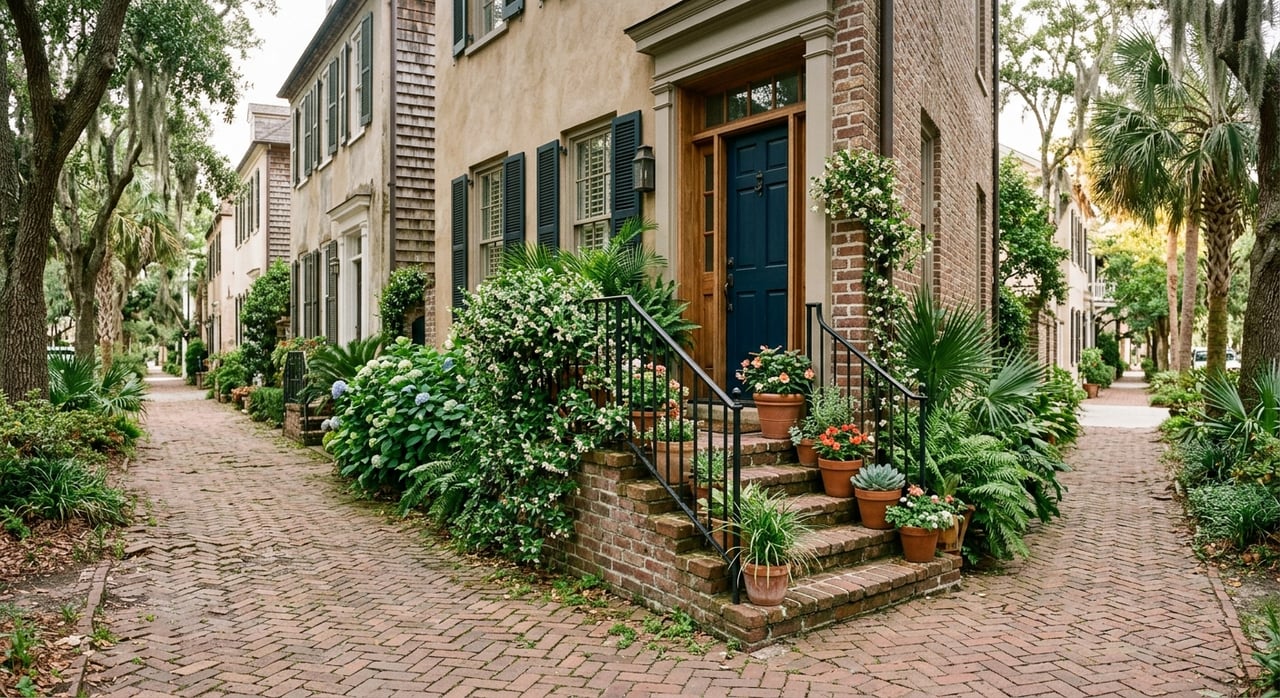
Daniel Island Micro-Neighborhoods And How They Differ
July 16, 2026
July 16, 2026
Wondering whether Daniel Island is all the same once you cross the bridge? It really is not. If you are thinking about buying here, understanding the island’s micro-neighborhoods can help you narrow your search faster and choose a lifestyle that fits how you actually want to live. Let’s dive in.
Daniel Island is a 4,000-acre planned community with parks, trails, rivers and creeks, plus a downtown area with shops, restaurants, medical offices, schools, and other daily conveniences. But from a buyer’s perspective, the bigger story is that the island works more like a collection of distinct subareas than one uniform neighborhood.
The Daniel Island Property Owners' Association divides the island into three primary association areas. DITA covers the business district and most multi-family development, including The Oaks. DICA covers single-family and townhome properties south of I-526 plus Parkside Condominiums. DIPA covers residential property north of I-526 except The Oaks.
That matters because your experience can change quite a bit depending on where you buy. Walkability, housing type, park access, club connections, and even some amenities are tied closely to these boundaries.
If you want the most mixed-use and everyday-walkable part of the island, downtown is usually the first place buyers look. This area is often described through Town Center, River Landing, and Seven Farms, and it was intentionally planned as a district where residential spaces, stores, offices, and services sit close together.
The Town Center design guidelines call for a walkable, mixed-use district with apartments, townhomes, multi-family residential, small-lot houses, offices, and retail. They also describe a waterfront village atmosphere near the Wando River and a downtown commercial district centered around I-526 and Seven Farms Road.
In simple terms, this is the area that feels most urban by Daniel Island standards. If you like the idea of being closer to shops, dining, and daily errands, this part of the island usually offers the easiest connection to those conveniences.
Downtown housing leans more heavily toward condos and apartments than many other parts of the island. Daniel’s Landing is a 295-unit condominium community in the heart of downtown Daniel Island, while The Oaks at River’s Edge is a 36-unit condominium complex near Governor’s Park, the Wando River, and Daniel Island Club.
The Oaks is also a good example of how this area can still feel elevated and scenic. Official community information notes one-level floor plans, large windows, and wraparound piazzas designed to take advantage of the water setting.
The park and trail network supports the downtown feel. Governor’s Park and Dog Park are located near the Family Circle Tennis Center, River Landing Park sits within a cluster of condominium buildings, and trail segments like the Riverfront Loop follow the Wando River.
For many buyers, the appeal here is convenience. You may find that downtown Daniel Island works especially well if you want lower-maintenance living, easier access to services, and a more connected, mixed-use setting.
If downtown feels more active and mixed-use, Smythe Park tends to feel more residential and park-centered. This part of Daniel Island is often shaped less by retail and more by open space, neighborhood streets, and community destinations like the school and library corridor.
Smythe Park is the island’s largest park at 22 acres. It includes an 11-acre lake, a kayak dock, pedestrian trails, picnic areas, and a pirate-themed playground, and it is also used for events and programs.
That central park presence changes the rhythm of the area. Buyers who want green space woven into everyday life often gravitate here because the neighborhood experience feels organized around the park and trail network rather than the commercial core.
This area is not just one housing type. DICA covers single-family and townhome properties south of I-526, and Smythe Park includes a mix that reflects that broader pattern.
There are also condo pockets here. Parkside Condominiums, located behind Daniel Island School, include two- and three-bedroom units with off-street parking and pool access, which shows that buyers looking for a more compact option can still find opportunities in this part of the island.
The trail network helps connect Smythe Park to nearby community destinations, including the school and library corridor. Routes such as the Bishop England Loop reinforce the area’s practical, daily-use feel.
For buyers, this part of Daniel Island often stands out when the goal is a residential setting with strong park access and a little more separation from the busiest mixed-use pockets. It can be a useful middle ground if you want neighborhood character without being too far removed from the rest of the island.
North of I-526, Daniel Island Park offers a noticeably different feel from both downtown and Smythe Park. This area is often where buyers focus when they want a quieter setting, a stronger connection to marsh and river scenery, or interest in club-oriented living.
DIPA covers residential property north of I-526 except The Oaks. The landscape and community layout in this part of the island tend to emphasize open views, golf, and natural surroundings more than walkable retail convenience.
Daniel Island Club plays a major role in how this area is understood. According to club information, property owners in Daniel Island Park automatically receive Social Membership, and golf membership is available only to Daniel Island Park property owners.
The club also features two 18-hole golf courses designed by Tom Fazio and Rees Jones, integrated into the Lowcountry landscape and the Daniel Island Park neighborhood. For buyers who value this kind of setting, that can make the north side of the island feel especially distinct.
Even when you look at condos here, the character is different from downtown. Island Park Condos are described as luxury condominiums bordering the Ralston Creek Golf Course, with marsh and golf-course views, elevator access, and covered parking.
That tells you a lot about the micro-neighborhood itself. You may still find attached living, but the setting is more scenery-forward and private-feeling than the more mixed-use condo options in the downtown core.
Within and around Daniel Island Park, several smaller areas stand out for their natural setting. Names like Barfield, Edgefield, Bellinger, Captain’s Island, and Noble’s Point often come up when buyers are drawn to marsh, river, and trail scenery.
The POA’s park and trail system helps define this side of the island. Bamboo Park, Captain’s Island Park, Noble’s Point Park, Delahow Park, Barfield Park, Bellinger Island Park, Edgefield Loop, Watroo Point Loop, and the Treehouse all point to a landscape that leans heavily into waterfront and nature views.
Some of these features are especially specific. Barfield Park is described as marsh-oriented, and Bellinger Island Park is identified as a nature preserve surrounded by marsh and creeks.
If your idea of Daniel Island includes quieter streets, scenic trails, and stronger visual connection to the Lowcountry environment, these pockets may feel very different from Town Center. They are less about everyday retail access and more about setting.
That distinction is important when comparing homes online. Two properties may both have a Daniel Island address, but one may feel oriented around walkability and convenience while another is centered on marsh views, club life, or trail access.
One of the most helpful things to know as a buyer is that amenities are not identical across the island. The POA maintains three pools at Pierce Park, Scott Park, and Edgefield Park, along with two boat landings at Beresford Creek and Ralston Creek.
This is one reason the association boundary matters almost as much as the street name. When you are comparing homes, it is smart to ask not just about the property itself, but also which association area it falls into and how that may shape your day-to-day use of island amenities.
The best micro-neighborhood for you depends less on what sounds most popular and more on how you want your routine to feel. A smart home search here usually starts with lifestyle priorities first, then property type, then price and availability.
Here is a simple way to think about it:
Because Daniel Island has multiple housing types across different settings, it helps to compare areas in person or with a guide who can explain the differences clearly. That is often the fastest way to move from “I like Daniel Island” to “I know where I belong on Daniel Island.”
If you are trying to sort through Daniel Island’s different pockets and want a clear, local perspective, Ellen O'Neil can help you compare neighborhoods, property types, and lifestyle fit with a calm, strategic approach.
Stay up to date on the latest real estate trends.


Newsletter
Your Monthly Charleston Updates!
Strategic marketing, trusted guidance, and a client-first approach designed to deliver exceptional results.