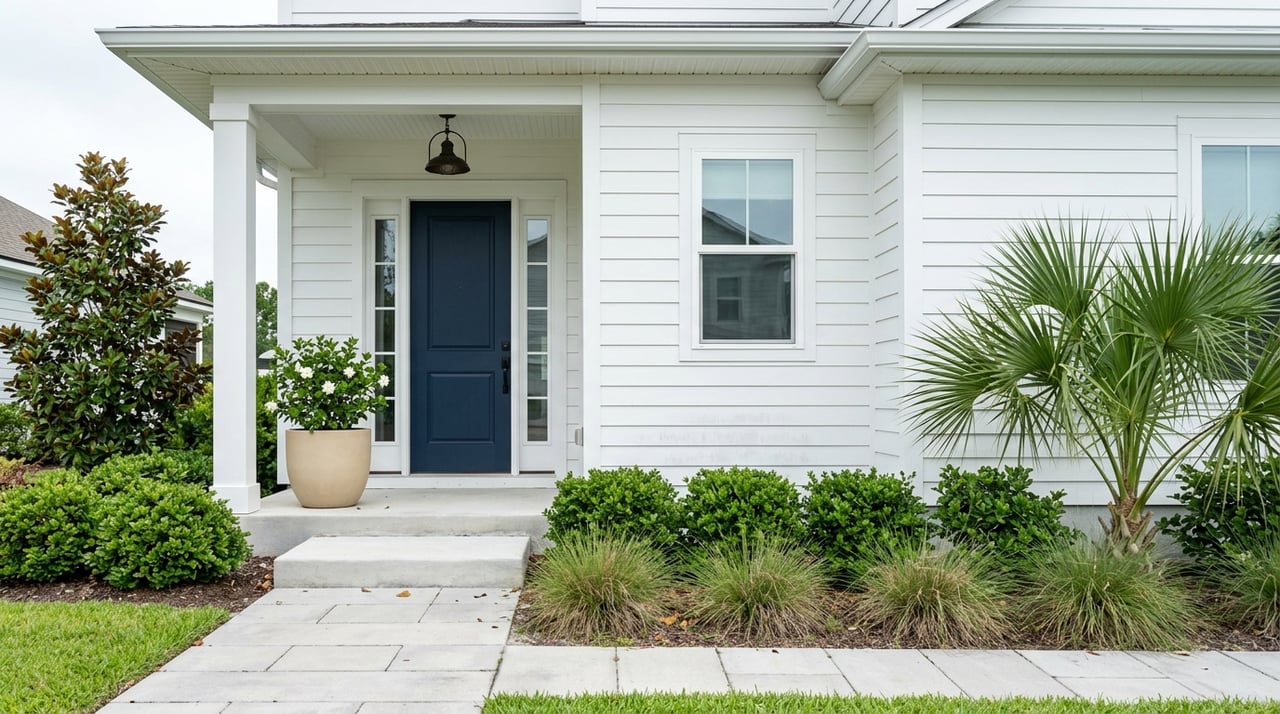
Preparing To Sell A Home On Sullivan's Island
June 11, 2026
June 11, 2026
Wondering how much you really need to do before putting your Sullivan's Island home on the market? In a coastal market where buyers often see your home online first and may study every detail before booking a showing, smart preparation can make a real difference. The good news is that you do not need to renovate everything. You just need a plan that fits the home, the timing, and the local rules. Let’s dive in.
Selling on Sullivan's Island is not the same as selling in many other Charleston-area neighborhoods. This is a small barrier island with homes in mapped VE and AE flood zones, and the town notes that elevation ranges from sea level to about 14 feet. That makes flood insurance, flood-zone status, and related documentation important parts of seller preparation.
It is also a high-price market where timing matters. Recent public market snapshots showed median sale and listing prices around the mid-$4 million range, with homes taking roughly 80 to 117 days on market depending on the source and measurement period. The takeaway is simple: your home needs to be priced and presented with care.
If possible, start your pre-listing work well before summer and before peak storm months. The town says visitor activity peaks in summer, and NOAA defines Atlantic hurricane season as June 1 through November 30. That matters if you need exterior repairs, landscaping, painting, or photography.
A rushed prep timeline can create avoidable stress, especially when weather delays outdoor work. Starting early gives you more control over contractor scheduling, permits, staging, and listing media. On Sullivan's Island, that extra lead time is often worth it.
One of the most common seller questions is whether you need to renovate before selling. Usually, the better first step is to address repairs, safety items, and visible maintenance concerns rather than jump into major upgrades.
A pre-listing inspection is not required, but it can help you spot issues before buyers do. According to NAR, inspections can cover the structure, roof, exterior, plumbing, electrical systems, heating and air conditioning, interiors, insulation, ventilation, and more. Even if you decide not to complete every repair, getting estimates can help you prepare for pricing and negotiations.
On Sullivan's Island, buyers may pay close attention to items that affect confidence in a coastal home, including:
In a premium coastal market, visible deferred maintenance can stand out quickly. Cosmetic polish helps, but buyers are often less willing to overlook issues that suggest future expense or uncertainty.
Before you schedule exterior work, confirm whether the project needs town approval. Sullivan's Island states that building permits are required for repairs and improvements, and some visible exterior changes may also need Design Review Board review.
This is especially important if your prep list includes work involving windows, roofing, porches, exterior materials, or other visible changes. What looks like a quick pre-sale update can take longer if approvals are needed. Checking first can save you from delays later.
The town also limits construction hours to Monday through Friday from 8:00 a.m. to 6:00 p.m. and Saturday from 10:00 a.m. to 4:00 p.m., with no Sunday work. If your home needs more substantial work, planning around those rules matters.
Because floodplain conditions are a core part of life on Sullivan's Island, it helps to organize flood-related information before you list. If your home is in a high-risk flood zone and has a federally backed mortgage, flood insurance is generally required. Even when a buyer's lender will guide the final requirement, sellers benefit from being ready with the basics.
Useful items to gather may include:
Having this information ready can make your listing feel more transparent and complete. It can also reduce back-and-forth once buyers begin asking questions.
Once repair decisions are made, shift your attention to the way the home looks and feels. Buyers usually start online, not at the front door. NAR reports that all buyers used the internet in their home search, and many found photos, detailed property information, and floor plans especially useful.
That means your listing presentation needs to do more than look pretty. It needs to help buyers understand the layout, the condition, and the value of the home before they ever step inside.
Start with the basics:
These steps are often more impactful than sellers expect. They improve in-person showings, but just as importantly, they improve photography.
If you are deciding where to spend money, staging the entire home is not always necessary. NAR's 2025 staging report found that the living room, primary bedroom, and kitchen were the most important rooms to stage.
That gives you a practical priority list. Focus first on the spaces where buyers form emotional opinions and imagine daily life. On Sullivan's Island, that may also include porches, outdoor living areas, and any rooms with strong natural light or coastal views, as long as the presentation stays clean and neutral.
Staging can also support your marketing results. NAR found that 83% of buyer agents said staging made it easier for buyers to envision the property as their future home, and nearly half said staging reduced time on market. The median reported cost for a staging service was $1,500.
The sequence matters. Set the repair scope first, remove clutter next, and then bring in staging before photography and video.
This order helps you avoid paying to style rooms that may still need work. It also gives your media team the best version of the home to capture. Since buyers often decide whether to visit based on what they see online, those first images carry a lot of weight.
A Sullivan's Island home deserves more than a handful of quick photos. In a market where buyers often take time to search and compare, your listing should answer key questions clearly and visually.
Strong listing media should include:
NAR data shows that buyers value photos, detailed property information, and floor plans, while buyer agents rate photos, videos, and virtual tours as highly important. For a distinctive coastal property, strong digital marketing is not extra. It is part of the strategy.
Even exceptional homes need realistic pricing. Sullivan's Island remains a premium market, but the available data also suggests homes may sit longer when expectations and market response do not line up.
That is why preparation and pricing should work together. If your home shows beautifully, has clear documentation, and launches with polished media, your pricing strategy has a stronger foundation. If the home needs work or has factors buyers may scrutinize closely, that should be part of the conversation from the start.
Some sellers can handle light prep themselves. Others benefit from building a team early. If your home has roofing, drainage, HVAC, wind-mitigation, or exterior-condition issues, it makes sense to involve contractors sooner rather than later.
If you are exploring wind- or flood-related upgrades, South Carolina's Department of Insurance points homeowners to mitigation credits and the SC Safe Home grant program. That makes it worthwhile to look at insurance and mitigation questions early when your prep plan goes beyond simple cosmetic work.
Just as important, a strategic real estate plan can help you decide what is worth doing and what is not. In a market like Sullivan's Island, seller preparation is not only about appearance. It is also about timing, documentation, and reducing friction for serious buyers.
Preparing your home for sale should feel thoughtful, not overwhelming. With the right plan, you can focus on the repairs and presentation that matter most, avoid unnecessary work, and bring your home to market with confidence. If you want a strategic, education-first approach to selling in Charleston's coastal communities, connect with Ellen O'Neil.
Stay up to date on the latest real estate trends.


Strategic marketing, trusted guidance, and a client-first approach designed to deliver exceptional results.