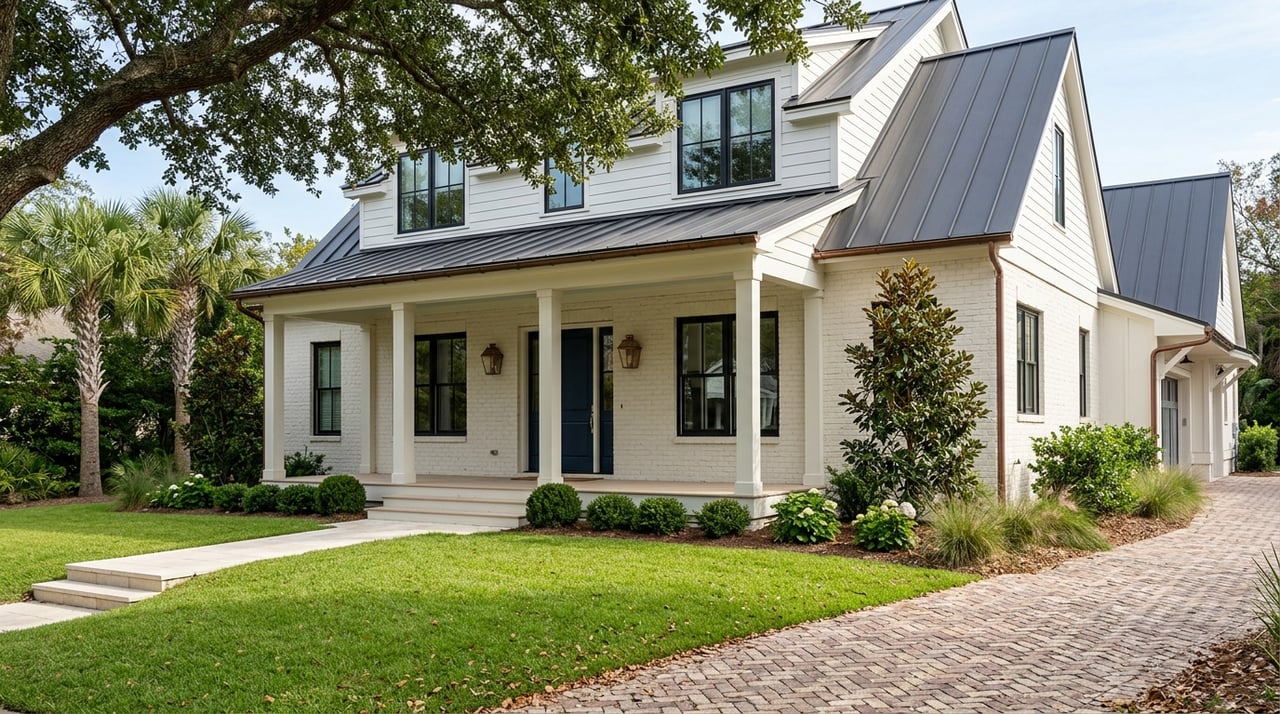
Relocating To Charleston: Choosing The Right Area To Call Home
June 18, 2026
June 18, 2026
Thinking about relocating to Charleston? The hardest part often is not deciding whether to move here. It is figuring out which area actually fits your daily life. If you are comparing commutes, home styles, beach access, and how much driving you want to do, this guide will help you narrow your search with more confidence. Let’s dive in.
When you are choosing where to live in the Charleston area, raw mileage only tells part of the story. In practice, buyers usually narrow their search fastest by comparing five things: commute geometry, housing stock, daily amenities, flood or drainage exposure, and lifestyle preference.
That matters in Charleston because bridges and major corridors can shape your routine as much as distance does. The Arthur Ravenel Jr. Bridge, the James Island Connector, and routes serving Mount Pleasant, James Island, Daniel Island, and Johns Island can all influence how easy your day feels.
A simple first question is this: do you want an urban, suburban, or beach-first lifestyle? Once you answer that, the map tends to get much clearer.
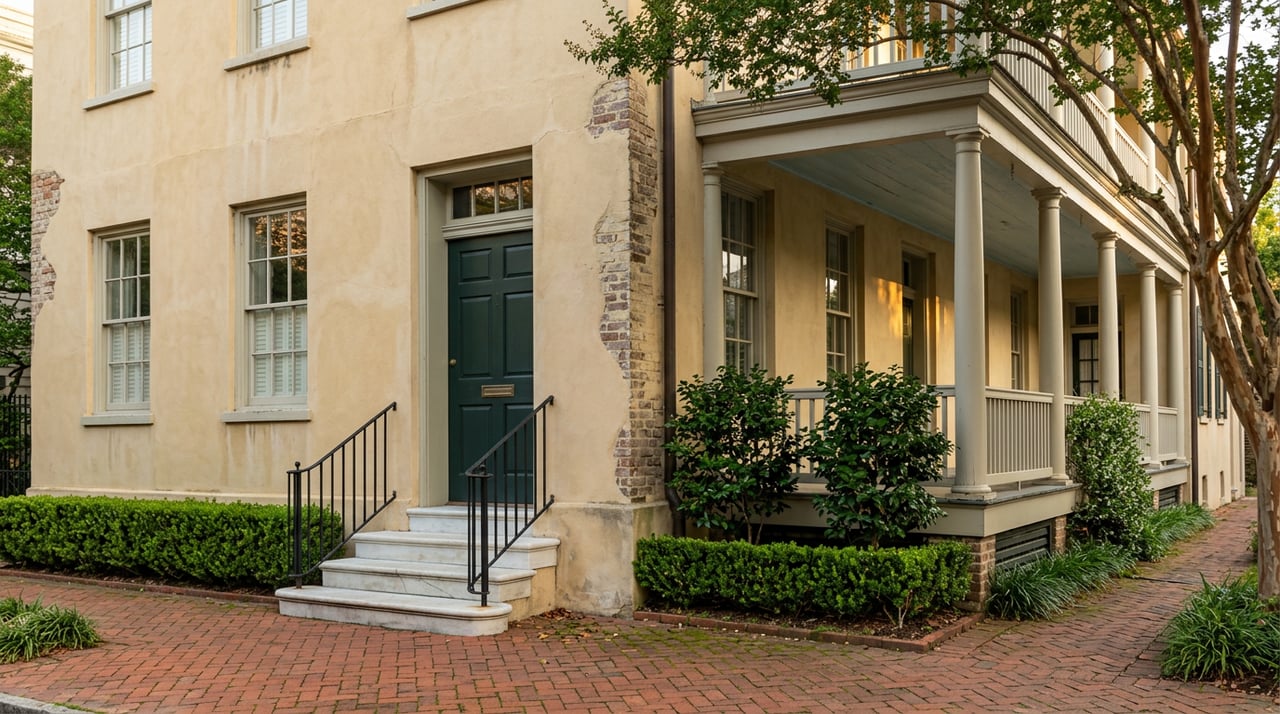
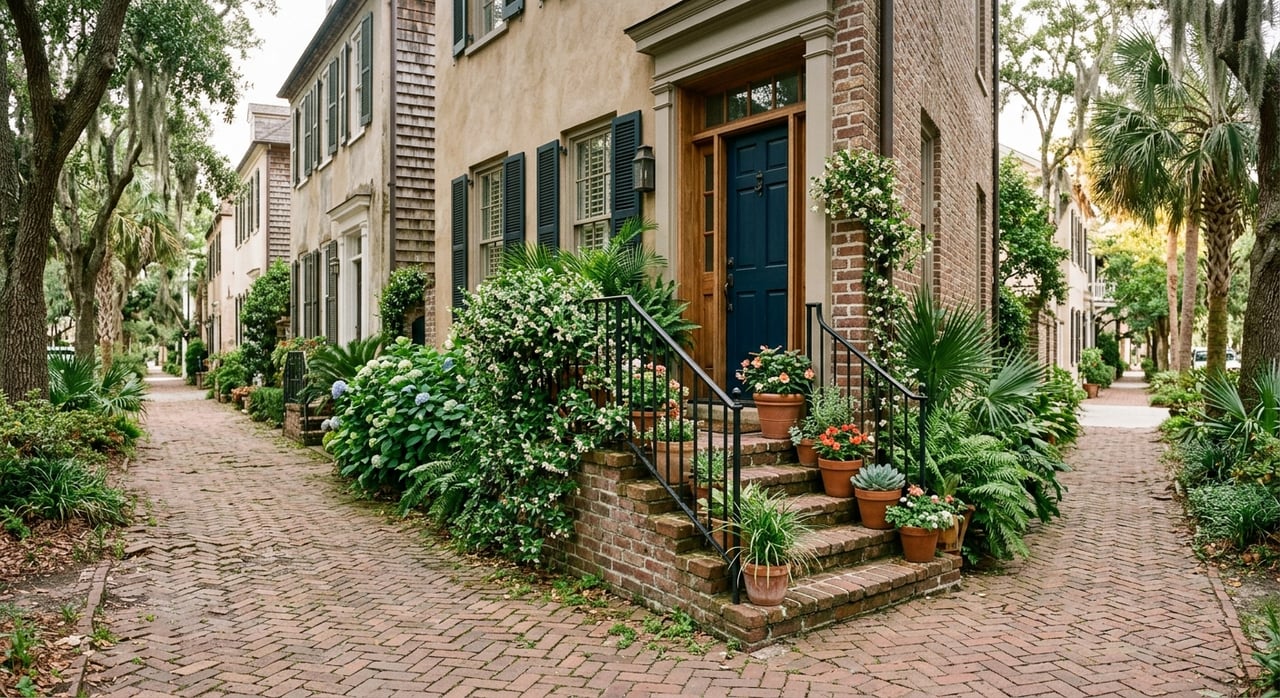
If you want walkability, historic character, and shorter trips within the city core, downtown Charleston is often the first place to consider. The peninsula is the city’s most historic and walkable setting, with a residential and business core shaped by preservation and planning standards.
For you as a buyer, that usually means a housing mix with more historic homes, renovated properties, and attached or condo-style options than many of the surrounding suburban and island areas. If lot size matters more than location, this may feel like a tradeoff. If charm, dining, and culture top your list, it may feel like the right match.
Charleston city Census QuickFacts show a mean commute of 24.2 minutes, an owner-occupied housing rate of 55.6%, and a median owner-occupied home value of $509,700. Those numbers help frame the peninsula as a location where convenience and character often lead the conversation.
Downtown may be a strong fit if you want:
West Ashley is often the most flexible in-city compromise. It gives you a more suburban rhythm while still keeping you connected to Charleston proper.
The area stands out for its mix of established neighborhoods, practical everyday access, and recreational features like the West Ashley Greenway. That greenway is an eight-mile linear park used for walking and biking through neighborhoods, woods, fields, creeks, and marshes.
City planning for West Ashley covers housing, transportation, parks, stormwater, land use, and community design. There is also a bicycle and pedestrian path on the Legare Bridge intended to improve connection to downtown and jobs without relying entirely on a car.
West Ashley may be right for you if you want:
James Island is a popular choice for buyers who want to stay close to downtown while living in a more residential setting. The town describes itself as primarily residential and notes its preserved small-town feel.
You will also find parks and recreation spaces such as Brantley Park, Dock Street Park, Pinckney Park, and a community center. For many relocating buyers, that creates a comfortable middle ground between the busier peninsula and more spread-out outer areas.
Location is a major reason buyers focus on James Island. The James Island Connector is a key route, and the area also stays connected to beach-oriented routes, which can be a plus if coastal access matters to you.
Census QuickFacts show a mean commute of 22.5 minutes, an owner-occupied housing rate of 87.5%, and a median owner value of $508,600. Those figures support James Island’s reputation as a close-in, owner-occupied residential option.
James Island may be a good choice if you want:
If your priority is space, privacy, and a less urban landscape, Johns Island often stands out. The city’s planning materials emphasize the island’s rural character and unique settlement pattern.
This area usually appeals to buyers who are comfortable with a more car-based routine. Daily travel often centers on major corridors like Maybank Highway, Main Road, and River Road, so it helps to think carefully about where you need to go most often.
Johns Island is also a place where flood resilience belongs in the conversation. The city’s restoration planning addresses flooding and growth-boundary resilience, which makes location-specific evaluation especially important here.
The tradeoff is clear. You may gain more land, privacy, and future growth potential, while giving up some centrality and quick cross-town access.
Johns Island may suit you if you want:
Mount Pleasant remains one of the Charleston area’s most established suburban choices. It offers strong convenience, direct bridge access toward downtown, and a broad mix of neighborhoods, services, and water-oriented lifestyle features.
Census data shows 90,801 residents, 49.3 square miles of land, a mean travel time to work of 24.9 minutes, a 73.6% owner-occupied housing rate, and a median owner value of $748,500. For many relocating buyers, those numbers reflect a larger, mature suburb with a strong ownership base and a higher home value profile.
Mount Pleasant also benefits from its East Cooper position and access routes tied to the Arthur Ravenel Jr. Bridge. Town projects near the base of the bridge are aimed at improving access and traffic flow, which matters if your routine includes frequent trips toward downtown Charleston.
Mount Pleasant may be right for you if you want:
Daniel Island offers a different feel from many other Charleston-area locations. It is a 4,000-acre island within the City of Charleston, and city materials describe it as having a pedestrian-friendly downtown, hundreds of acres of parks and green space, and a mixed-use village center.
For buyers, that often translates to a newer-feeling, master-planned environment with organized neighborhood design and strong built-in amenities. If you like the idea of parks, green space, and a community layout that feels intentional, Daniel Island may rise to the top of your list.
At the same time, it is wise to think about commuter patterns. The city has addressed traffic and pedestrian safety concerns through recent projects, and daily travel can still depend heavily on I-526 and island access points.
Daniel Island may be a fit if you want:
If your move is driven by coastal living first, Isle of Palms and Sullivan’s Island are the obvious beach-first choices. These communities are best understood as lifestyle markets first and commute markets second.
Isle of Palms notes seven miles of beaches, a Front Beach commercial district, and seasonal paid parking. Sullivan’s Island describes itself as a 3.5-mile barrier island with a relaxed small-town lifestyle, beaches, and rules focused on conservation and access management.
These locations can be wonderful if you want daily beach access and a coastal setting at the center of your routine. At the same time, seasonal visitor traffic, parking logistics, and coastal upkeep are part of the tradeoff.
CARTA also runs a seasonal shuttle connecting Mount Pleasant and Isle of Palms on weekends and holidays from Memorial Day through Labor Day. If you want beach access without relying only on a car for every trip, that is a helpful detail to know.
Isle of Palms or Sullivan’s Island may suit you if you want:
In Charleston, flood resilience should be part of your location search from the beginning. This is especially important if you are considering low-lying areas, marsh-front settings, or barrier islands.
The City of Charleston has a Flooding & Sea Level Rise Strategy. Johns Island planning also addresses resilience, and Isle of Palms has active drainage work tied to flood resilience.
That does not mean one area is automatically right or wrong. It means you should compare locations with open eyes and think about how drainage, access, and weather-related conditions fit your comfort level.
If you are feeling stuck, use this quick framework:
The best Charleston area for you is not the one with the most buzz. It is the one that best matches your commute, housing preferences, and tolerance for bridges, parking, and coastal maintenance.
Relocating well starts with asking the right questions before you fall in love with a house. If you want help comparing Charleston neighborhoods with your lifestyle, commute, and long-term goals in mind, Ellen O'Neil offers the kind of clear, local guidance that makes a big move feel much more manageable.
Stay up to date on the latest real estate trends.


Strategic marketing, trusted guidance, and a client-first approach designed to deliver exceptional results.